- P 3/19 Muhammadia Colony Susan Road
- info@aisolutions.pk
-
Opening Hour Mon - Sat 9:00 - 6:30, Sunday - CLOSED
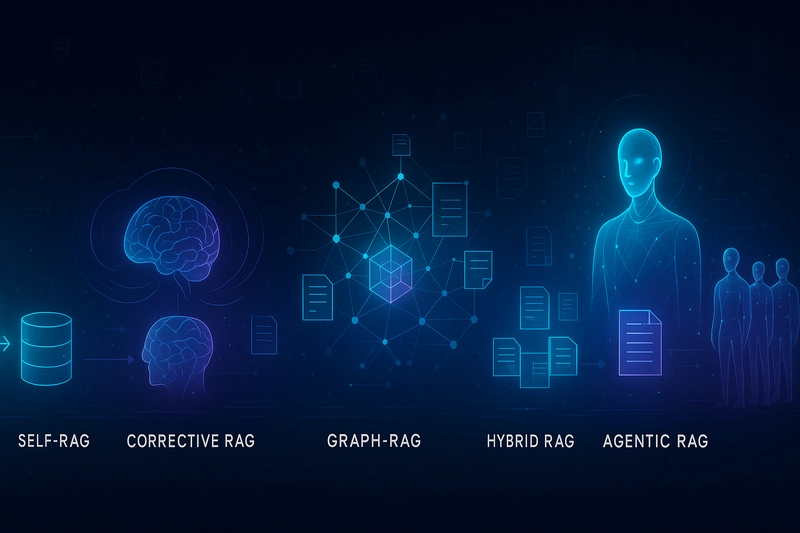
RAG Systems
Standard generative AI models often suffer from factual hallucinations and lack access to real-time, proprietary company data. Retrieval-Augmented Generation (RAG) systems bridge this gap by dynamically fetching verified context from your enterprise knowledge base before generating a single word.
By pairing semantic vector search with advanced large language models, RAG architectures deliver hyper-accurate, source-cited responses grounded strictly in your enterprise data. We design and deploy end-to-end RAG pipelines that securely index your internal documents, wikis, and databases to power accurate domain-specific AI applications.
Vector Embeddings & Search
Transforms raw enterprise documents into high-dimensional vector embeddings for lightning-fast, semantic context retrieval.
Hallucination Guardrails
Restricts model outputs strictly to retrieved context, ensuring 100% factual accuracy and verifiable source citations.
What Benefits?
Deploy a custom enterprise RAG system to unlock institutional knowledge, streamline internal search, and deliver trustworthy AI answers without expensive model retraining.